 Sea Temperatures
Santa Cruz Cabralia Sea Temperature in March
Looking to find out what the average sea water temperature in Santa Cruz Cabralia is for March? Find out what the lowest, highest, and average water temperatures are for Santa Cruz Cabralia over the past 10 years.
Average water temperature in Santa Cruz Cabralia for March
The average, high, and low temperatures below should help you if you can swim in the water in Santa Cruz Cabralia in March.
Average
27.73° C
81.92° F
High
28.83° C
83.89° F
Low
25.84° C
78.51° F
Water temperature range by day in March in Santa Cruz Cabralia
The chart below shows the range of low and high temperatures by day for the month of March in Santa Cruz Cabralia.
Average daily water temperatures in Santa Cruz Cabralia for March
| Day | Average | Low | High |
|---|---|---|---|
| 1 | 27.77° C | 26.74° C | 28.53° C |
| 2 | 27.76° C | 26.89° C | 28.49° C |
| 3 | 27.64° C | 26.35° C | 28.46° C |
| 4 | 27.66° C | 26.25° C | 28.41° C |
| 5 | 27.68° C | 25.84° C | 28.39° C |
| 6 | 27.7° C | 25.84° C | 28.41° C |
| 7 | 27.67° C | 26.06° C | 28.36° C |
| 8 | 27.62° C | 26.32° C | 28.61° C |
| 9 | 27.68° C | 26.25° C | 28.83° C |
| 10 | 27.63° C | 25.85° C | 28.56° C |
| 11 | 27.65° C | 25.99° C | 28.39° C |
| 12 | 27.61° C | 26.11° C | 28.39° C |
| 13 | 27.7° C | 26.46° C | 28.4° C |
| 14 | 27.81° C | 26.59° C | 28.46° C |
| 15 | 27.83° C | 26.48° C | 28.57° C |
| 16 | 27.81° C | 26.55° C | 28.63° C |
| 17 | 27.76° C | 26.46° C | 28.58° C |
| 18 | 27.77° C | 26.59° C | 28.51° C |
| 19 | 27.82° C | 27° C | 28.47° C |
| 20 | 27.84° C | 26.86° C | 28.52° C |
| 21 | 27.86° C | 26.71° C | 28.5° C |
| 22 | 27.83° C | 26.96° C | 28.48° C |
| 23 | 27.78° C | 26.74° C | 28.69° C |
| 24 | 27.72° C | 26.52° C | 28.43° C |
| 25 | 27.67° C | 26.26° C | 28.38° C |
| 26 | 27.73° C | 26.36° C | 28.25° C |
| 27 | 27.7° C | 26.46° C | 28.32° C |
| 28 | 27.73° C | 26.47° C | 28.43° C |
| 29 | 27.7° C | 26.21° C | 28.31° C |
| 30 | 27.78° C | 26.4° C | 28.42° C |
| 31 | 27.84° C | 26.72° C | 28.38° C |
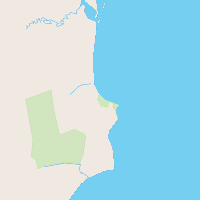
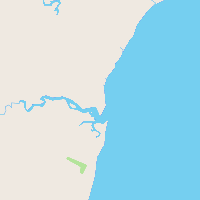
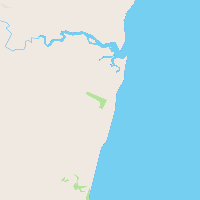
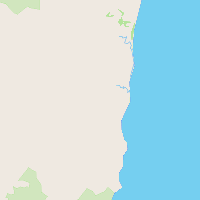
Water temperature in March for locations near Santa Cruz Cabralia
Data source and citation
Raw data for the calculations made to find the sea surface temperature in Santa Cruz Cabralia comes from the National Oceanic and Atmospheric Administration (NOAA) and their 1/4° daily Optimum Interpolation Sea Surface Temperature.
The water temperature data is constructed by combining observations from different platforms (satellites, ships, buoys, and Argo floats) on a regular global grid. A spatially complete sea surface temperature map is then built by interpolating to fill in gaps in the data.
If you'd like to use any of the information above in the format it is presented, please use the citation tool below.